888-984-3813

Within our industry there are some common mistakes that occur that result in injuries to our people. Here is a list of some of the most common mistakes so that you can discuss these with your team. Below the list of common mistakes is an example of a very good reason to always be diligent about safety when using a ladder.
Every year, more than 300 people die in ladder-related accidents, and thousands suffer disabling and/or debilitating injuries. Without better training and continuous innovation in safety planning and product design, we will continue to see far too many fatalities. National Ladder Safety Month will heighten awareness of safe ladder use, reinforce safety training and educate homeowners and working professionals. The American Ladder Institute shares these ladder safety tips during week 2 of National Ladder Safety Month. Please share these resources with your team. Every year, more than 300 people die in ladder-related accidents, and thousands suffer disabling and/or debilitating injuries. Without better training and continuous innovation in safety planning and product design, we will continue to see far too many fatalities. National Ladder Safety Month will heighten awareness of safe ladder use, reinforce safety training and educate homeowners and working professionals.
Main Ladder Safety Tips:
Below is a video from the American Ladder Institute on Ladder Selection, set-up, and common mistakes:
Please see video below regarding ladder safety from the American Ladder Institute:
Establishments covered by the OSHA’s electronic recordkeeping requirements must submit their completed 2019 Form 300A using OSHA’s Injury Tracking Application (ITA) by Monday, March 2, 2020. Here is a link to find the Tracking Application.
PestSure's Loss Prevention team conducted our 2019 meeting last week in Tucson, Arizona. With over 100 guests and 50 PestSure companies represented, it was a great time to learn about the latest safety topics in the pest control industry. If you weren't able to make it this year, you can find the presentations in the Members Only section of the website.
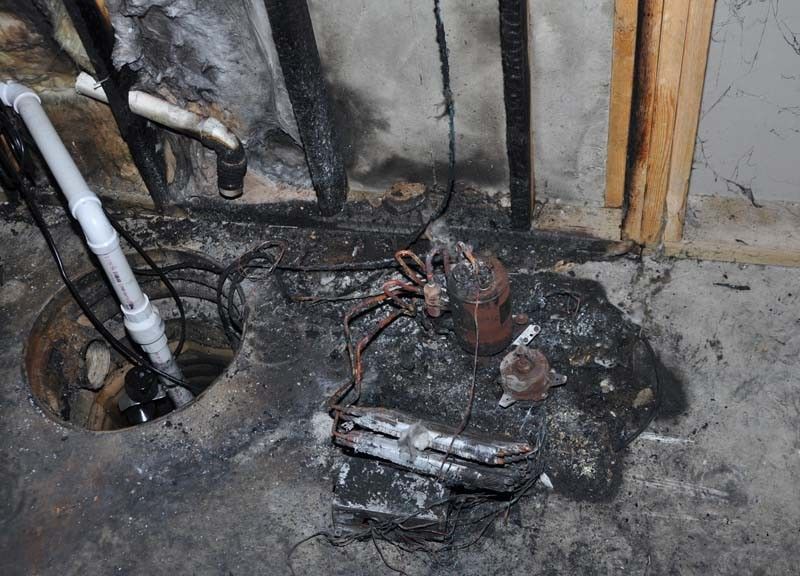
On September 12, 2013, Gree, in cooperation with the U.S. Consumer Product Safety Commission and Health Canada, announced a recall on dehumidifiers manufactured by Gree Electric Appliances of China and were sold from January 2005 through August 2013. The dehumidifiers can overheat, smoke and catch fire, posing fire and burn hazards to consumers.
PestSure is an insurance company that is wholly owned by its members, pest control operators, also known as a captive. Headquartered in Dallas, TX, the PestSure team consists of insurance experts, a dedicated claims unit, and loss prevention services that all specialize exclusively in the pest control industry.
A captive is an alternative insurance model that exists as an insurance company dedicated to providing coverage for itself. The captive members all pay their fair share of the insurance premiums and the captive pays out claims like any other insurance company.
The captive’s main priority is to serve the captive members, not shareholders! PestSure is also able to focus our expertise on one type of business, not the diverse businesses that typical insurance carriers have to worry about. This means better coverage and claims handling than you’ll find anywhere else.
Throughout the year, the PestSure blog team will be providing the following to its readership:
- The PestSure Blog Team